May 10, 2025
The Art of Choosing: Why People Decide Differently
“We don’t see things as they are. We see them as we are.”
– Anaïs Nin
🌱 Every Decision
Tells a Story
Have you ever
found yourself baffled by someone else’s choices?
Maybe it was a
friend who stubbornly clung to one issue in a debate, ignoring every other
factor; or a colleague who couldn’t move forward with a project because it didn’t check every single box; or someone who made a choice you considered "flawed"—but somehow, it worked for them.
At first glance, these behaviours can seem irrational, frustrating, even reckless. But underneath, a simple truth often explains the difference: we don’t all decide the same way.
Behind every decision lies a hidden framework—a mental map that helps us weigh options, prioritize, and accept trade-offs. Some maps are rigid and absolute. Others are flexible and strategic. Understanding these patterns doesn't just explain human behaviour. It builds empathy. It strengthens leadership. It turns conflict into collaboration.

The wise mind is able to hold multiple perspectives and still choose decisively.
In a world increasingly polarized by
differences—in careers, relationships, politics—grasping how people choose is
no longer optional. It’s essential.
Let’s dive into it.
🔍The Three Major Decision-Making Styles
1. 🎯 Single-Issue Decision-Makers: "If It
Doesn’t Have X, I’m Out"
This one thing matters most—without it, the rest is meaningless.

Single-issue decision-makers see life through a keyhole. They focus on one defining factor and reject anything that doesn’t align with it. It could be a moral principle, a lifestyle preference, or a deeply rooted value.
While this can bring clarity and strong personal identity, it can also create blind spots—causing people to dismiss nuanced, complex realities.
Daniel Kahneman in Thinking, Fast and Slow, explains that we often fall into anchoring bias—overweighing one piece of information at the expense of others.
2. 📋 Checklist Decision-Makers: "All Boxes Must
Be Ticked"
It’s not perfect if it’s missing even one thing I value.
Checklist decision-makers treat decisions like
contract negotiations: every term must be satisfied. Their intentions are
thorough and idealistic, but this style can backfire by creating analysis paralysis—an inability
to move forward because perfection seems just out of reach.
In The
Paradox of Choice, Barry
Schwartz describes how maximizers—those
who seek the “best” rather than a “good enough” solution—often experience
regret, dissatisfaction, and anxiety.
Checklist thinkers reflect a mindset shaped by control and high standards—but life rarely checks every box.

3. 🥇Priority-List Decision-Makers: "These Are My Must-Haves"
I can live without some things—as long as my top values are
honored.

Priority-list decision-makers live in the real world. They know that every choice involves trade-offs. They carefully rank their priorities and move forward when the most critical ones are satisfied—even if a few lower-priority needs aren’t.
Herbert Simon called this bounded rationality: humans can’t make perfect decisions because of time, knowledge, and complexity constraints. Instead, we "satisfice"—we make the best possible choice given the circumstances.
Unlike checklist or single-issue thinkers, priority-list thinkers exhibit flexibility without losing integrity. Yet, they often face criticism from others who see them as inconsistent or compromising.
🤝 Where Conflict
Begins: Misreading Each Other’s Framework
The biggest fights aren’t about what we want. They’re about how we decide what matters.
To a single-issue thinker, the priority-lister seems unprincipled.
To a checklist thinker, the priority-lister looks like they’re settling.
To the priority-lister, both others seem rigid and disconnected from reality.
🧩 Imagine three
friends are planning a holiday trip.
One says, “I
don’t care where we go, as long as it has a beach.” That’s a single-issue
decision maker—everything hinges on one non-negotiable.
the second pulls out a list: “The place must have hiking trails,
nightlife, Wi-Fi, vegetarian food, and under $150 a night.” That’s the checklist
thinker, trying to tick every box.
The third friend suggests, “Let’s agree on our top three
priorities—like affordability, safety, and warm weather. If we get those, we
can compromise on the rest.” That’s the priority-list leader,
focused on what matters most.
Now imagine these three trying to choose a
destination without understanding their different styles—conflict is almost
guaranteed.

But when the styles are recognized, respected, and balanced, the group can move from tension to teamwork.
We clash not over what we want—but over how we decide what matters.
✨ Why We Double Down (Even When We Should Rethink)
Ever notice how once we
make up our minds, we suddenly start “finding” evidence to back it up
everywhere? It's like the world bends to fit what we already believe.
In the scenario of the
three friends, each decides a destination is the best vacation spot, and
suddenly every travel blog, photo, social media post, news article, and friend's story seem to prove each one
was right.
That’s not a
coincidence—it’s what we naturally do. We cling to choices that make us feel
secure, even if they’re not the smartest or most up to date.
And when someone
questions that choice? We often don’t calmly explain why we made the choice—we defend
ourselves, sometimes irrationally or even aggressively.
Why?
Because admitting we
might be wrong about how we made a decision, or how we judged someone's decision feels uncomfortable—like tugging
at a loose thread that might unravel everything.
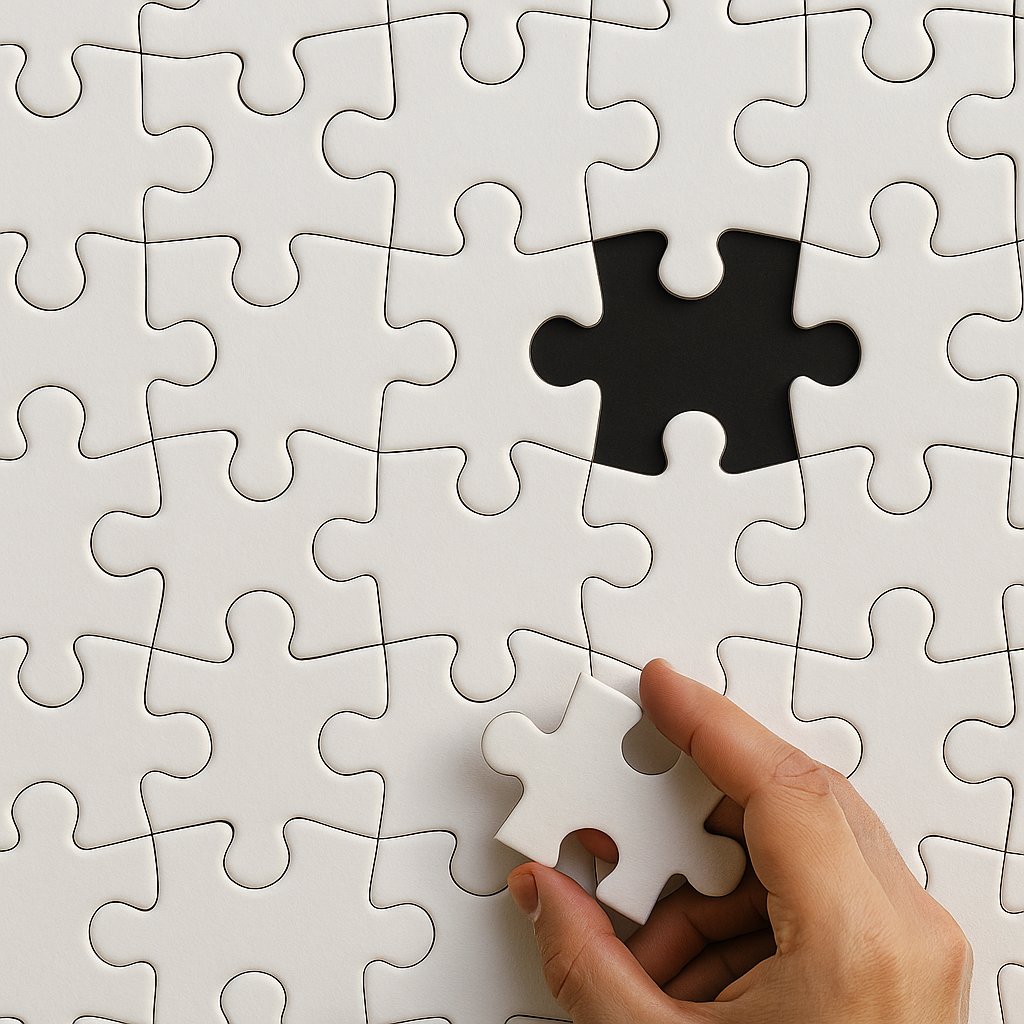
So instead of re-evaluating, we dig in deeper.
We find new justifications, rewrite the past in our minds, and sometimes even shut out people who challenge us.
It’s not always about stubbornness. It’s about protecting our sense of self.
Then, that’s the way we see meaning in the choices we make.
To some people, choosing to compromise feels like being wise and mature.
To others, it feels like weakness or betrayal.
We’re not just picking actions. We’re defending identity.
That’s why a simple disagreement—over a political choice, a vacation, or even what brand of coffee to buy—can suddenly feel like a personal attack. Because to us, it is personal.
Two people can look at the same choice and see two completely different things—because they’re not just looking at the facts. They’re looking through their own stories.
- Their decision making framework
The trick isn’t to erase those stories—it’s to recognize them. When we do, we stop fighting the person and start understanding the perspective.
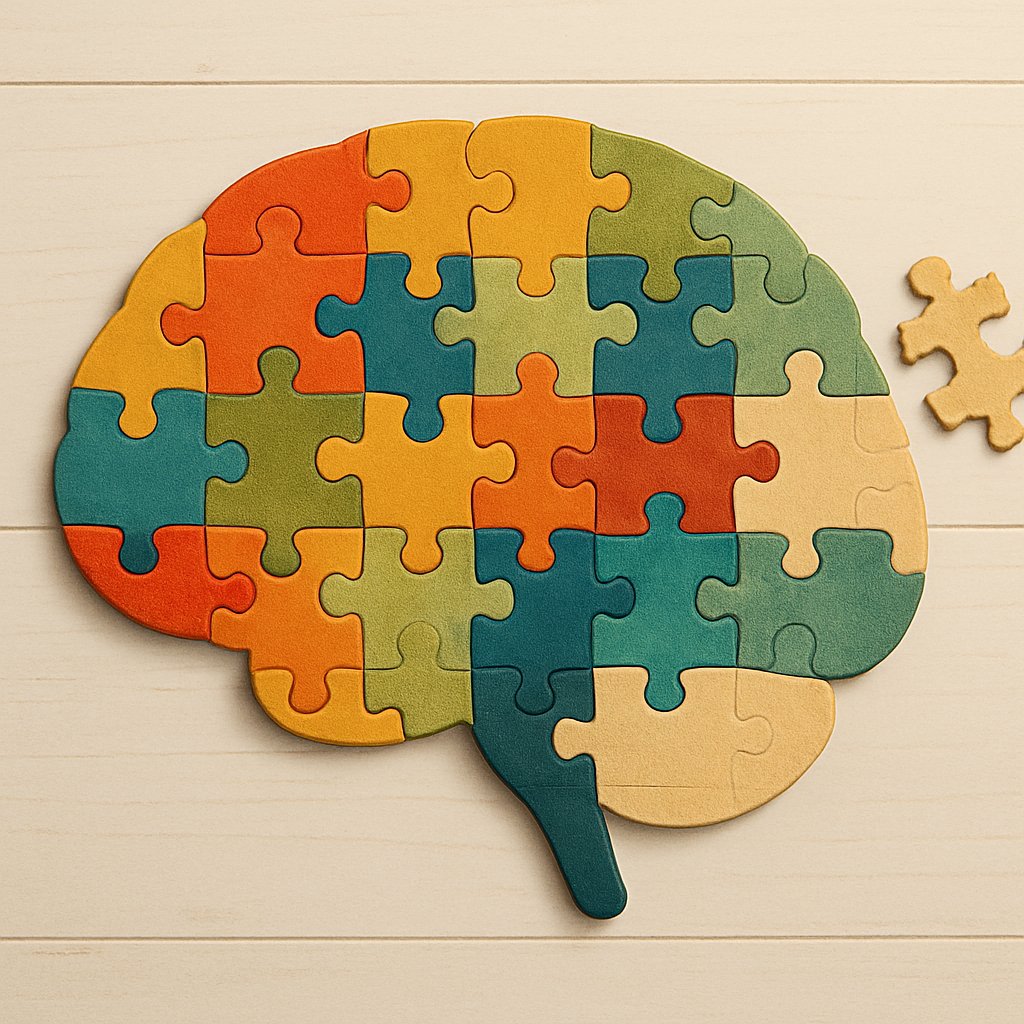
🧠Making Room for Each Other’s Brains
We
don’t all approach decisions the same way—and that’s not a flaw. It’s actually
part of what makes working (and living) with others both challenging and
beautiful.
Here
are a few ways to lead and live better in a world full of different decision
styles.
✨ Start with Curiosity, Not Criticism
Before jumping to conclusions about someone’s choice, try asking: “What was most important to you when you made that call?” That one question can shift the whole conversation from tension to understanding.
🪞 Know How You Decide
Sometimes the hardest person to figure out is ourselves.
Do you go with your gut? Do you overanalyze? Do you dig your heels in once you’ve chosen? Knowing your own default style helps you explain yourself—and adjust when needed.
🤷 Compromise Isn’t Weakness
Making a trade-off doesn’t mean giving in or selling out. Sometimes, it means
growing up. Maturity
shows up when we realize we can’t have it all—and that’s okay.
👥 Mix Up the Mindsets
The best teams don’t think alike—they think together.
When necessary, get a big-picture thinker, a detail-lover, a gut-feeler, and a logic-checker in
the same room. That’s how smarter decisions get made.
❤️ Understanding How Others Decide Is Its Own Kind
of Leadership
In a
world that’s quick to argue and slow to listen, pausing to ask how someone made a choice might be
the most powerful thing you do.
Because
behind every decision is a story—a fear, a hope, a habit, or a personal rule
they may not even realize they’re following. And the same goes for everyone.
When
we start paying attention to how people decide—not just what they
decide—we create space for connection instead of conflict.
When
we judge someone’s decision without understanding their process, we’re not
exposing their weakness—we’re exposing our own impatience.
So
next time you hit a disagreement, ask yourself:
What if I understood their “why” before pushing
mine?
That
simple shift doesn’t just make you a better teammate, partner, or leader.
It makes you a better human.